
Renewable Energy Policy Changes in Ontario News Update: What Changed and What to Watch in 2026
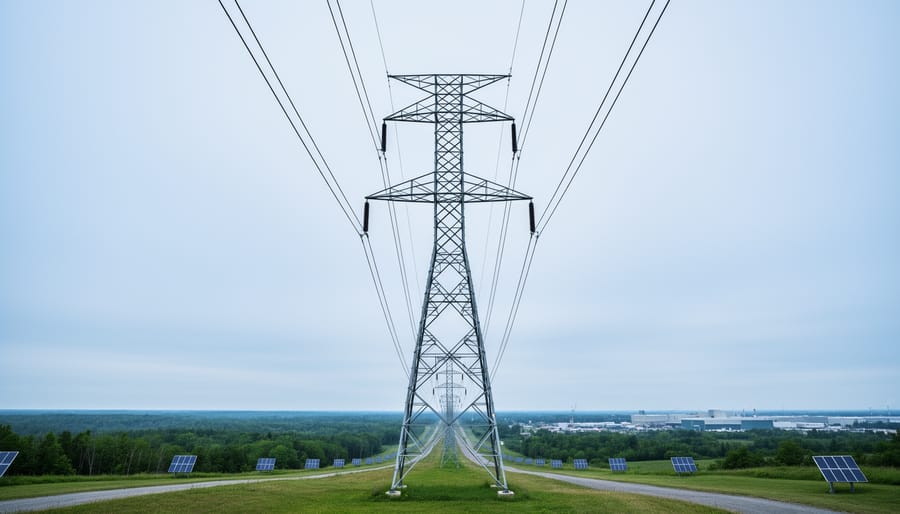
Ontario made two moves this autumn that shape how its electricity grid gets built and run. On October 1, 2026, the Ministry of Energy and Mines proposed exempting transmission projects procured by the Independent Electricity System Operator (IESO) from the Ontario Energy Board’s leave to construct requirement, which is the approval step normally needed before building. The change would apply to the IESO’s pending Toronto Third Line transmission procurement. Then, on October 27, 2026, the ministry released the final PULSE report, with 10 recommendations aimed at getting local utilities ready for the demands ahead.
Key Takeaway: Ontario has proposed exempting IESO-procured transmission projects from leave to construct (October 1, 2026) and released the final PULSE report with 10 recommendations (October 27, 2026). Effective dates have not been confirmed, so treat both as developments to watch rather than settled rules.
Why should that matter to you? Clean energy only helps communities if the wires and the utilities behind them can carry it. Faster transmission approvals and better-prepared local utilities touch everything from new housing to electric vehicle charging. This article explains what changed, walks through four dated developments, and flags what is still unconfirmed so you can follow what happens next with clear expectations.
What Changed in Ontario’s Energy Policy This Fall
- Issued by Ontario’s Ministry of Energy and Mines on October 1, 2026, the proposal covers targeted amendments to the leave to construct framework for transmission projects.
- It would add an exemption for IESO-procured projects under section 6.2 of O. Reg. 161/99 (Ontario Energy Board Act, 1998), as outlined in the draft amendments to O. Reg. 161/99.
- The change would apply to the IESO’s pending Toronto Third Line transmission procurement.
- The final PULSE report, released October 27, 2026, contains 10 recommendations.
- Effective dates and incentive programs are not confirmed.
Key Developments in Ontario’s Renewable Energy Policy Changes
1. October 1, 2026: A Proposal to Streamline Transmission Approvals
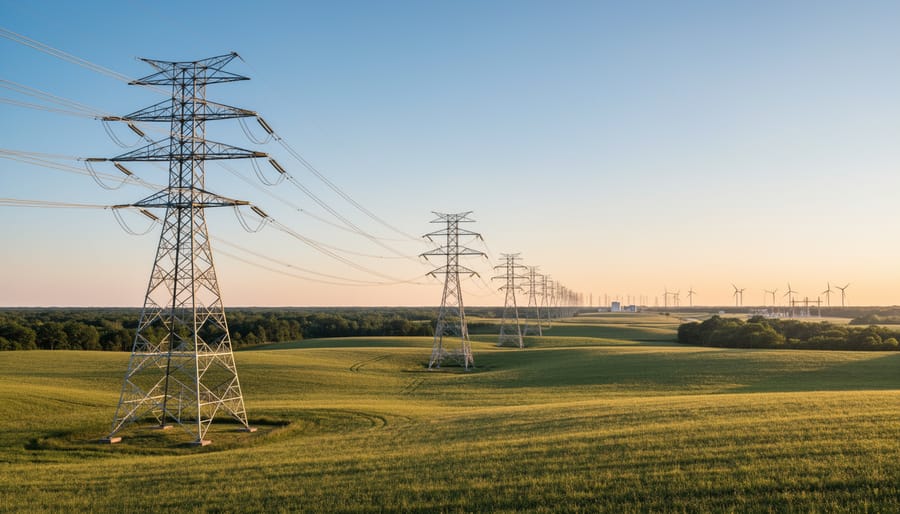
On October 1, 2026, Ontario’s Ministry of Energy and Mines put forward a proposal titled “Targeted Amendments to the Leave to Construct Framework for Electricity Transmission Projects.” It is a proposal, not a finalized rule, and no effective date has been confirmed.
Some context helps here. “Leave to construct” is the Ontario Energy Board approval that is typically needed before certain transmission lines can be built. The proposal would exempt transmission projects procured by the Independent Electricity System Operator (IESO) from that requirement. To do this, the exemption would be added to the list of exemptions under section 6.2 of Ontario Regulation 161/99, which falls under the Ontario Energy Board Act, 1998.
Why does this matter for clean energy? Transmission lines are the highways of the power system. A new solar, wind, or storage project can only serve homes, schools, and businesses if it can send its electricity through the grid. By removing one approval step for IESO-procured projects, the proposal is aimed at helping that infrastructure move forward.
Streamlining approvals is a policy choice, and people can weigh the trade-offs differently. Because this is still a proposal, the details could change before anything is finalized. Readers who want the latest status can check official notices from the Ministry of Energy and Mines and the Ontario Energy Board.
2. The Toronto Third Line Procurement: A Concrete Ontario Example
The Ontario proposal has a specific local test case: the Independent Electricity System Operator’s (IESO) pending Toronto Third Line transmission procurement. If the change goes ahead, that procurement would fall under the proposed exemption from the leave to construct requirement. This covers IESO-procured transmission exemptions which would be added to the list under section 6.2 of O. Reg. 161/99.
In practical terms, the Toronto Third Line shows where the change would be used. Transmission lines carry power from where it’s produced to where people use it, so streamlining the approval step could matter for how quickly new clean power reaches homes, schools and businesses.
Specific project details, such as costs, routes and timelines, haven’t been confirmed. It’s also still a proposal, not a finalized rule, so readers should watch official notices for updates.
3. October 27, 2026: The Final PULSE Report Is Released
On October 27, 2026, Ontario’s Ministry of Energy and Mines released the final PULSE report which contains 10 recommendations focused on utility readiness. In plain terms, the report looks at whether local electricity utilities are prepared for the planning, funding and staffing that a growing, cleaner grid will demand.
Only some of those recommendations are confirmed here, so this section sticks to what is verified rather than guessing at the rest. The most detailed one, Recommendation 1, is covered in the next section.
For readers, the takeaway is simple. The report is about readiness, not new generation targets or incentive programs. It asks whether the local utilities that connect homes, schools and businesses to the grid are ready for what comes next.
4. Recommendation 1: A Certificate of Readiness for Each Utility
Recommendation 1 of the final PULSE report, released by the Ministry of Energy and Mines on October 27, 2026, focuses on one idea: each electricity utility should show it is prepared before it takes on more. Under the recommendation, every utility would file an Ontario Energy Board (OEB) “Certificate of Readiness,” signed by both its board chair and its CEO. Requiring those two signatures puts accountability at the top of each organization.
Note: A Certificate of Readiness is a formal statement filed with the OEB confirming that a utility has three things in place: a 10-year asset plan, an agreed-upon funding strategy with its municipal shareholder(s), and a workforce strategy.
For municipally owned utilities, this means the planning conversation includes the shareholders who own them, not just the utility itself. A utility Certificate of Readiness is meant to show that infrastructure, money and skilled people have been considered together, which matters as more clean energy projects connect to local grids.
The OEB would oversee the certificate through a proportionate assurance/compliance framework. In plain terms, the level of oversight is meant to fit the circumstances rather than apply one heavy approach to every utility.
How the process would work in practice, including filing timelines and what the OEB would require, has not been confirmed. This is a recommendation in a report, so readers should watch for official notices before treating any detail as settled.
Why These Changes Matter for Ontario Communities and Clean Energy

New solar, wind and storage projects can only help Ontario’s clean energy transition once they are connected to the grid. That is why the two October 2026 developments matter, even though neither sets new generation targets or offers incentives. The October 1 proposal deals with how transmission lines get approved, and the October 27 PULSE report deals with how ready local utilities are to serve their communities.
Transmission is the pathway that carries power from where it is produced to where it is used. Local utilities then take over, delivering electricity to homes, schools and businesses. When either link is slow or underprepared, new clean power can be delayed in reaching the people who need it.
The Certificate of Readiness in Recommendation 1 points to practical planning at the community level. Utilities would confirm a 10-year asset plan, a funding strategy agreed with their municipal shareholders, and a workforce strategy. For municipally owned utilities, that means thinking ahead about equipment, financing and skilled people, which are the things that keep service reliable as demand changes.
Reasonable people can weigh these choices differently. Streamlining transmission approvals could help projects move forward sooner, while others may value the review that the leave to construct process provides. Both views reflect a shared interest in a dependable, affordable grid. The proposal is still a proposal, and details such as effective dates have not been confirmed.
What to Watch Next as Ontario’s Energy Policy Evolves
The most useful thing readers can do now is track what moves from proposal to final rule. Both the October 1 transmission proposal and the Certificate of Readiness recommendation are early-stage signals, so the details will matter more than the headlines. Here is what to keep an eye on:
- Whether the leave to construct amendment is finalized as proposed.
- How the exemption would be applied to the IESO’s pending Toronto Third Line procurement.
- How the Ontario Energy Board frames its proportionate assurance and compliance oversight of the Certificate of Readiness.
- How utilities and their municipal shareholders respond to the 10-year asset plan, funding strategy and workforce requirements.
Effective dates have not been confirmed, and no incentive programs have been announced alongside these measures, so it’s wise to treat any timeline you see elsewhere with caution. The most reliable updates will come from official notices posted by the Ministry of Energy and Mines and the Ontario Energy Board. If you want to follow clean energy projects more broadly, that guide explains where to look for developments across Ontario and Canada.
Frequently Asked Questions About Ontario’s Latest Renewable Energy Policy Changes
What is leave to construct?
It is the Ontario Energy Board approval that is typically needed before certain electricity transmission projects can be built. The October 1, 2026 proposal would change how that requirement applies to some projects.
What did Ontario propose on October 1, 2026?
The Ministry of Energy and Mines proposed exempting transmission projects procured by the Independent Electricity System Operator from leave to construct. The exemption would be added under section 6.2 of O. Reg. 161/99 and would apply to the pending Toronto Third Line procurement.
What is the PULSE report?
It is a report the ministry finalized and released on October 27, 2026, with 10 recommendations. Recommendation 1 would have each utility file an Ontario Energy Board Certificate of Readiness.
Are there new incentives or effective dates?
Neither has been confirmed at this time. Check official ministry and Ontario Energy Board notices for updates.
Because neither development announces a new incentive, households looking for savings may find more help in existing options such as home energy rebates.
Ontario’s fall announcements are practical steps rather than headline-grabbing targets. On October 1, 2026, the Ministry of Energy and Mines proposed exempting IESO-procured transmission projects, including the pending Toronto Third Line, from the leave to construct requirement. On October 27, it released the final PULSE report, whose first recommendation asks each utility to confirm it has a 10-year asset plan, a funding strategy and a workforce strategy.
Together, these measures aim to get the grid ready for more clean power. Effective dates and any incentive programs haven’t been confirmed, so the outlook is optimistic but measured. For confirmed timelines, follow official notices from the Ministry of Energy and Mines and the Ontario Energy Board.