
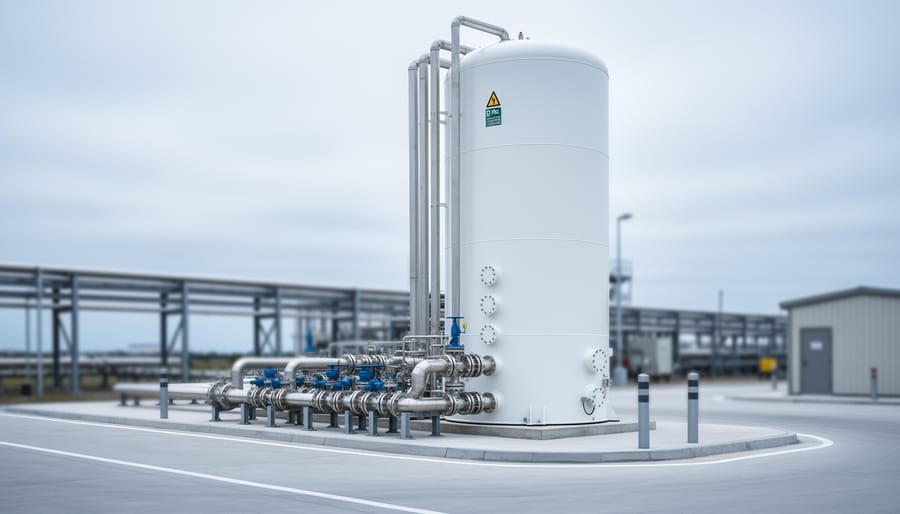
How to Follow Hydrogen Clean Energy Projects in Canada and Ontario
The simplest way to make sense of hydrogen clean energy is to track it in five steps, moving from regional hubs up to the national strategy, using a handful of public reports and a bit of patience. It takes an afternoon to learn and gets easier each time you revisit it. All you need is a browser and curiosity.
Why bother? Because the hydrogen story in Canada is big and moving fast. More than 80 low-carbon hydrogen projects are now at various stages of development across the country, representing an opportunity economy of more than $100 billion. That’s a lot of activity to follow, and headlines rarely explain how the pieces connect.
They do connect, though. Canada’s national direction was set out in the Hydrogen Strategy for Canada in December 2020, organized around 8 key pillars. A later progress report offered the first chance to measure results against the strategy’s 32 recommendations. At the regional level, reports released in July 2025 by Foresight Canada and British Columbia’s Clean Energy and Major Projects Office examined hydrogen hub potential in four parts of that province, from the Lower Mainland to Vancouver Island.
For Ontario readers, that regional-to-national lens is a useful template. It shows how local supply and demand, transportation, and infrastructure shape what happens in communities, and it gives you a clear way to follow what comes next.
Hydrogen Clean Energy in Canada: Where Things Stand
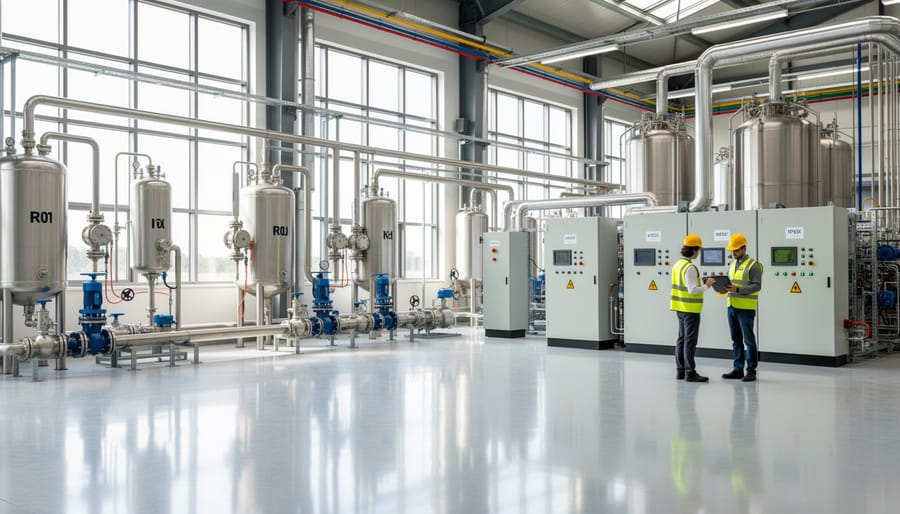
Key Facts at a Glance
Before diving into the process, it helps to have a few anchor figures in mind. Each one comes from the verified research, and together they give you a baseline for reading future hydrogen news.
- More than 80 low-carbon hydrogen projects are in various stages of development in Canada.
- Those projects represent an opportunity economy of more than $100 billion.
- The Hydrogen Strategy for Canada was put forward in December 2020.
- The strategy is organized into 8 pillars and includes 32 recommendations.
- Reports on British Columbia’s hydrogen hub potential were released on July 14, 2025.
The national strategy, described in the strategy submitted in December 2020 sets the framework, and the more than 80 low-carbon projects show how much activity is now underway. The structure of 8 key pillars and 32 recommendations gives you a ready checklist for measuring progress. Funding and incentive details are still evolving, so treat those as items to confirm with official sources.
What You Need Before You Start Tracking Hydrogen Projects
You don’t need a technical background to follow hydrogen clean energy. A handful of free resources and a few plain-language terms will get you most of the way.
Start with the national backbone: the Hydrogen Strategy for Canada, put forward in December 2020, and the Hydrogen Strategy Progress Report that followed it. Add regional hub studies, such as the July 2025 reports on British Columbia’s hydrogen hub potential, which show how a region-by-region analysis works. Then bring it closer to home with provincial documents, local news, community consultation notices, and announcements from project proponents. Because a single announcement often reflects what a company hopes to build, read it alongside independent sources. If a project also involves energy storage note that too, since storage and hydrogen are often discussed together.
Finally, set up a simple notes template or spreadsheet. A few columns are enough: project name, location, stage, source, and date checked.
Three terms will come up again and again:
– Electrolysis: using electricity to split water into hydrogen and oxygen.
– Hydrogen hub: a region where hydrogen production, transport, and end users are clustered so they can support one another.
– Low-carbon versus conventional hydrogen: conventional hydrogen is usually made from fossil fuels with higher emissions, while low-carbon hydrogen is made with far fewer emissions, for example through electrolysis powered by clean electricity.
Safety Warnings and Reliability Checks When Reading About Hydrogen
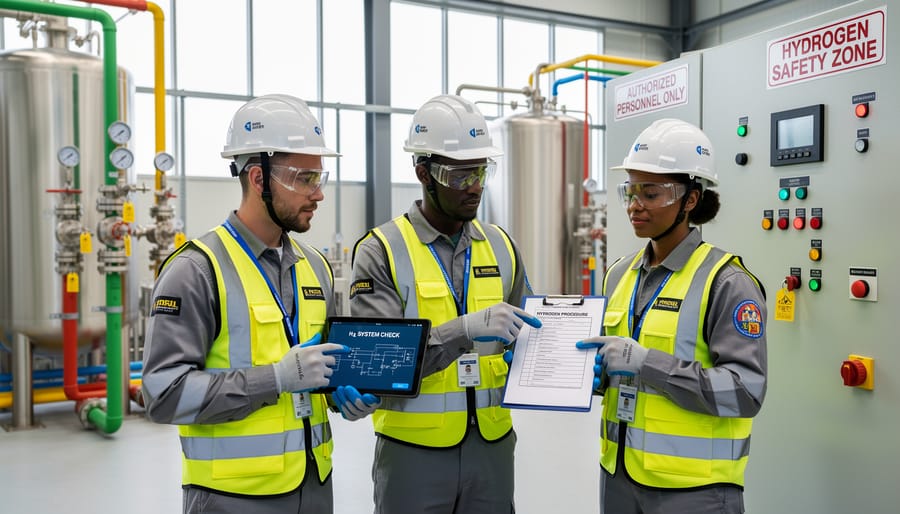
Hydrogen is a flammable gas, and it is handled by trained professionals working under regulated safety codes. Readers following hydrogen clean energy should treat it as a subject to learn about, not something to try at home. Home experiments with electrolysis or hydrogen storage are not a good way to understand the technology, and the risks are real.
Warning: Hydrogen is handled only by trained professionals under regulated safety codes, so never attempt hands-on experiments, and verify any project claim against primary documents before sharing it.
If a proposed project sits near your community, look to official safety information from the proponent and the regulators. Public consultation notices and project documents are the right places to ask about emergency planning, siting, and monitoring.
The second kind of safety is about information. Hydrogen coverage can swing between hype and alarm, so it helps to set stop conditions before you read. Pause and look for a primary source when you meet any of these:
– Cost claims with no cited source or stated assumptions
– Vague timelines, such as “coming soon,” with no named project stage
– Promotional language that promises transformation without evidence
– Incentive or program details that are not linked to an official announcement
None of this calls for cynicism. It simply keeps your notes reliable. Steady, sourced reading will serve you better than any single headline.
Step-by-Step: How to Track Hydrogen Developments From Region to Nation
Step 1: Identify Regional Hydrogen Opportunities
Start by asking where hydrogen activity actually clusters. A national headline about more than 80 projects tells you little until you place those projects on a map. That is why regional reports are so useful.
On July 14, 2025, Foresight Canada and the British Columbia Ministry of Energy and Climate Solutions’ Clean Energy and Major Projects Office (CEMPO) released a series of reports on the province’s hydrogen hub potential. Instead of treating BC as one block, they looked at four areas separately: the Lower Mainland, the Northeast, the Southern Interior, and Vancouver Island. Each area has its own mix of potential producers and potential users, and its own opportunities.
You can borrow that approach for Ontario. Start by naming your own region, whether that’s your city, county, or a nearby industrial corridor. Then look for hydrogen mentions in local news, municipal meeting notes, and company announcements that relate to that area. Write down who is involved and what the project aims to do.
Don’t skip the community-level stories. A regional report shows the big picture, but local coverage reveals how residents, workers, and nearby businesses are talking about a proposal. Jot those details in your tracking notes. They become the raw material for the supply, demand, and infrastructure questions in the steps that follow.
Step 2: Assess Supply and Demand Opportunities
Once you have a regional picture, the next step is to weigh supply against demand. In simple terms, supply is who would produce the hydrogen, and demand is who might actually use it. A project that makes plenty of hydrogen but has no buyers is just as shaky as a hungry market with nothing to buy.
The July 2025 reports on British Columbia’s hydrogen hub potential took this approach, looking at supply and demand opportunities across four areas: the Lower Mainland, Northeast, Southern Interior, and Vancouver Island. You can borrow that habit for any Ontario project by asking a few plain questions:
– Where would the hydrogen be made, and what kind of facility is planned?
– Who would buy it, and are any customers named or committed?
– What is the end use, such as heavy trucking, industry, or something else?
– Do the producer and the buyer sit close enough together to make sense?
– Is the demand real today, or only expected someday?
Clear answers suggest a project is thinking beyond production. Vague ones are worth noting in your tracking sheet and revisiting later as new details emerge.
Step 3: Analyze Transportation and Infrastructure Needs
Producing hydrogen is only half the story. A project can generate plenty of low-carbon hydrogen and still stall if there’s no practical way to move it, store it, or deliver it to the people who will actually use it. That’s why the July 2025 BC hydrogen hub reports from Foresight Canada and the Clean Energy and Major Projects Office included a transportation and infrastructure analysis alongside their supply and demand findings across four regions.
When you read about any project, ask how the hydrogen gets from where it’s made to where it’s needed. A few general principles apply. Pipelines suit large, steady volumes moving over longer distances, but they take time and significant investment to build. Trucking offers flexibility for smaller or more scattered customers, though it can become less practical as distances or volumes grow. Fuelling stations matter for transport uses, since vehicles need reliable places to refuel. Storage ties it all together by smoothing out the gap between production and demand.
Distance between supply and demand shapes which option makes sense, so geography matters as much as technology. Treat this step as a lens, not a verdict. If a project announcement is silent on delivery and storage, that’s a useful question to raise, and a gap worth noting in your tracking template.
Step 4: Track Progress Against the National Strategy
The Hydrogen Strategy for Canada was put forward in December 2020 and is organized into 8 key pillars. Think of those pillars as the strategy’s table of contents, a way to see which parts of the hydrogen economy it expects to move forward together.
To measure how far things have come, look for the Hydrogen Strategy Progress Report. It offered the first opportunity to take stock and measure progress on the strategy’s 32 recommendations. That makes it a useful checkpoint rather than a final verdict.
Here’s a calm, neutral way to read it:
1. Sort by pillar. Note which of the 8 pillars the report covers in depth and which get less attention.
2. Match claims to recommendations. Ask whether a statement of progress points to a specific recommendation among the 32, or stays general.
3. Separate action from intention. A plan, a study and a completed project are different things, so check which one the report describes.
4. Check the dates. Confirm when each figure or update was published, since the strategy dates from December 2020.
5. Note the gaps. If a report doesn’t address something, such as incentive details, treat it as unresolved rather than assuming an answer.
Reading this way keeps you balanced. You can acknowledge real progress without overstating it, and you’ll be better placed to compare what national documents say with what’s happening in Ontario communities.
Step 5: Follow Funding and Project Milestones
Funding news is where hydrogen headlines get slippery, so it helps to anchor each announcement to a project stage. With more than 80 low-carbon hydrogen projects in development across Canada, no two sit at exactly the same point. Most move through four stages: study, design, construction, and operation.
When you see a funding announcement, ask which stage it supports. Money for a feasibility study is a very different signal from money for building a facility. Early-stage support suggests an idea is being tested, while construction funding suggests a project has cleared many hurdles. A project that moves from one stage to the next over time is a better sign of real progress than a single headline.
Keep a simple log of each project you follow, noting the stage, the date of the latest update, and who made the announcement.
One caution matters here. Program incentive details change, and they are not settled in the research behind this guide. Don’t rely on a news summary or social media post for eligibility, timing, or amounts. Confirm anything about incentives directly with the official government or program source before you repeat it.
For Ontario readers, the same habit applies close to home: check local project notices and community consultation updates for where a nearby project stands.
Ontario Lens: Connecting Hydrogen News to Local Communities

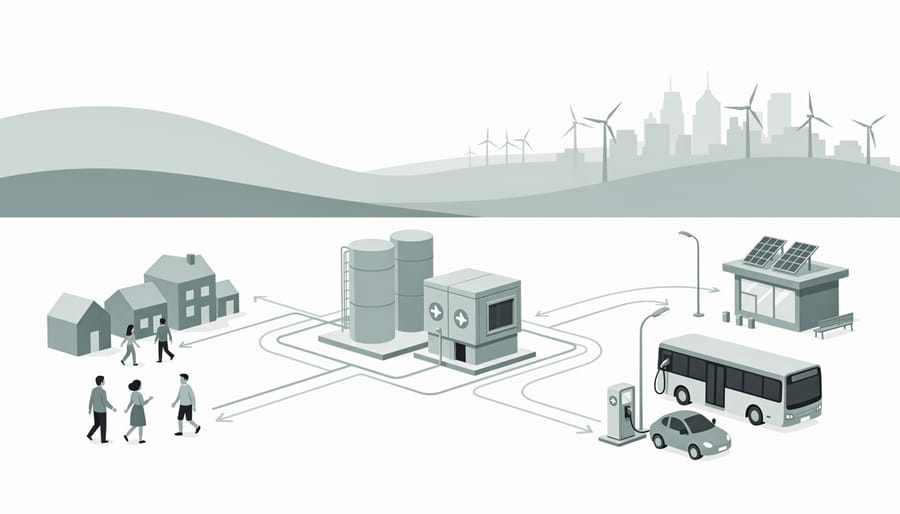
National headlines and BC hub reports can feel distant from an Ontario kitchen table, but they work well as a template. The July 2025 BC reports looked at supply and demand across four regions, plus the transportation and infrastructure needed to connect them. Ontario readers can borrow that regional thinking and ask the same questions of any future story in their own area.
Start with how hydrogen would fit Ontario’s existing strengths: its clean electricity system, its industrial base, and its busy freight and transport corridors. When a new proposal appears, ask where the hydrogen would be made, who would use it, and how it would move. With more than 80 projects in development across Canada, comparisons are easy to find.
Then bring it down to community scale. These questions matter most:
– Jobs: What kinds of work are expected, and for how long?
– Local consultation: Were residents, municipalities, and First Nations invited to weigh in early?
– Land use: What would be built, and where?
– Safety information: Is clear, official information available to neighbours?
Educators and students can turn these into a simple class exercise, while policymakers can use the same list to structure public engagement. Our guide to community checklists shows how a plain, repeatable format helps residents and decision-makers compare projects fairly.
Treat this as a lens, not a verdict. It doesn’t assume any particular Ontario project exists today. It simply prepares you to read the next announcement with context, curiosity, and the right questions.
Verifying What You Find and Knowing What to Do Next
Good tracking ends with checking what you’ve found. Start with primary documents: the Hydrogen Strategy for Canada, the Hydrogen Strategy Progress Report, and the July 14, 2025 hub reports from Foresight Canada and BC’s Clean Energy and Major Projects Office. Then compare dates and figures across every source you read. If one article says the strategy arrived in December 2020 and another gives a different date, the primary document settles it. The same goes for the 80+ projects and the $100 billion-plus opportunity figure.
Run each claim through this quick checklist:
- Primary source found and read directly
- Date confirmed against the original document
- Figures matched across at least two sources
- Unresolved details flagged in your notes
- Next check-in scheduled on your calendar
Be honest about gaps. Program incentives, for example, remain unresolved here, so mark them as “confirm with official sources” instead of filling in numbers from memory or hearsay.
For a routine, pick one monthly check-in. Revisit your notes, look for new reports or consultation notices, and update each project’s stage.
This method works well in classrooms. Students can each take a region, such as the four BC areas, and then apply the same five steps to an Ontario community. Educators can grade the verification checklist itself, rewarding sourcing habits as much as the conclusions.
Hydrogen Clean Energy: Common Questions
Readers tracking hydrogen clean energy tend to ask the same handful of questions. Here are short, neutral answers based on what is currently confirmed.
What is low-carbon hydrogen?
Low-carbon hydrogen is hydrogen produced with relatively few greenhouse gas emissions, for example by using electricity to split water (electrolysis) or by capturing emissions from other production methods. It matters most for sectors that are hard to electrify, such as heavy transport and industry.
How many hydrogen projects are in development in Canada?
More than 80 low-carbon hydrogen projects are in various stages of development across Canada. Together they represent an opportunity economy of more than $100 billion.
What is the Hydrogen Strategy for Canada?
It is a national roadmap put forward in December 2020, organized into 8 key pillars. The Hydrogen Strategy Progress Report offered the first chance to take stock of progress on the strategy’s 32 recommendations.
What is a hydrogen hub?
A hydrogen hub is a region where hydrogen production, demand, and the infrastructure to move it are planned together. In July 2025, Foresight Canada and BC’s Clean Energy and Major Projects Office released reports examining that potential across four areas of British Columbia.
Is hydrogen safe?
Hydrogen is a flammable gas, so it is handled by trained professionals under regulated codes and standards. Anyone living near a proposed project should look to official safety information and community consultation notices rather than assumptions.
A few details are still not confirmed. Incentive programs, for instance, change over time, so it is best to check official government sources rather than rely on secondhand summaries. The same goes for project timelines and costs, which can shift as proposals move from study to construction.
If a question isn’t answered here, the tracking steps earlier in this guide will help you find a reliable answer in primary documents.
Following hydrogen clean energy doesn’t take special training, just a steady routine: look at your region, weigh supply against demand, check how the fuel gets moved, measure progress against the national strategy, and watch funding and milestones as they land. With more than 80 low-carbon hydrogen projects in development across Canada, there’s plenty to follow, and hydrogen is only one piece of a wider mix that includes solar, wind, and alternative energy sources like nuclear.
Keep asking the plain questions that matter to your community: who benefits, what’s being built nearby, and how will safety be shared. Ontario’s hydrogen story is still being written, and local voices will help shape it.