
What a Home Energy Rating System Report Tells Ontario Homeowners and Policymakers
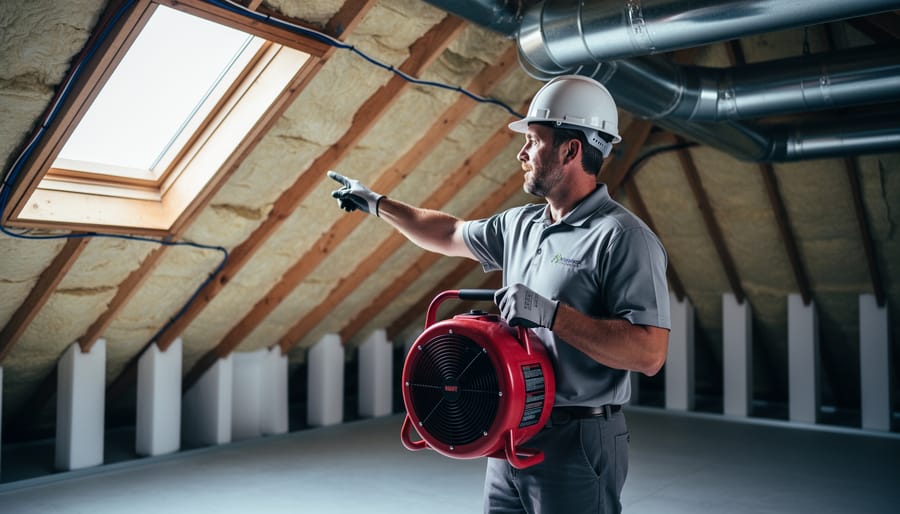
A home energy rating system report is a standardized assessment of how much energy your house uses and where it’s losing it, delivered as a score plus a list of upgrades that could improve it. In Ontario, you get one by booking an energy advisor, a trained and certified professional who visits your home, runs a blower door test to measure air leakage, inspects insulation, windows, heating and ventilation, and then enters the findings into modelling software. The whole process usually takes a few hours on site, with the written report arriving afterward. No technical background is required on your part.
What you receive is more useful than a number. The report breaks down your home’s energy performance by category, estimates how it compares with similar houses, and ranks upgrades so you can see which ones are likely to make the biggest difference. Many homeowners use it as a roadmap before renovating, replacing a furnace, or adding a heat pump.
There’s a wider story, too. Home-level data like this helps explain the patterns that regulators and policymakers study when they publish Energy Board reports and recommendations, even though a single report speaks only to your own house. Below, we walk through what the report contains, how to arrange one, and how to put it to work.
What a Home Energy Rating Report Actually Contains
The Score and What It Measures
A home energy rating score is a snapshot of how much energy your house is expected to use. Once an advisor has measured the home and entered the data into modelling software, the report places the result on a scale. Lower or higher numbers mean better performance depending on the rating system used, so check the legend on your own report.
The scale works by comparison. Your home is measured against a reference, such as a typical house of similar size or a target level of performance. It isn’t a pass or fail grade. A modest score simply shows where there’s room to improve.
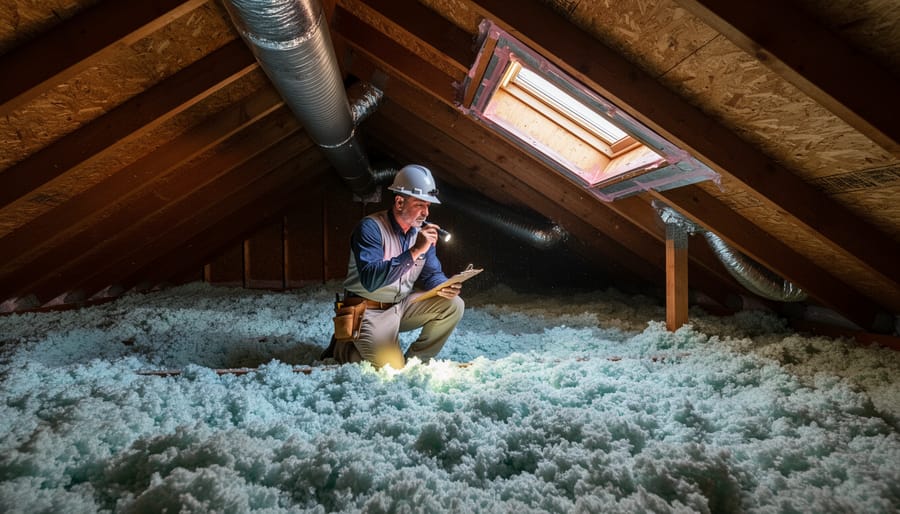
That’s also why two houses that look identical from the curb can rate very differently. One may have a tighter building envelope, better attic insulation or a newer furnace. The other might leak air around old windows and the rim joists. Orientation, size and heating fuel matter too. What you see outside tells you little about what’s happening inside the walls.
Recommended Upgrades and Estimated Savings
Most reports present upgrades as a ranked list, usually ordered by estimated energy saved, projected cost, or a blend of both. You might see air sealing and attic insulation near the top, with window replacements and new heating equipment further down. That ranking reflects what the model predicts will make the biggest dent in your home’s energy use, so it’s a useful starting point for deciding what to tackle first.
The savings figures are modelled, though, not promised. The software assumes standard occupant behaviour, such as typical thermostat settings, hot water use and number of residents. Your household probably doesn’t match those assumptions exactly.
That’s why results can differ from real-world utility bills. A family that keeps the house warmer, works from home or changes fuel prices over time will see different outcomes. Treat the numbers as a well-informed estimate for comparing options, and ask your advisor which assumptions drive each projection.
How the Evaluation Process Works From Booking to Report

Getting a home energy rating report is less complicated than it sounds. Most of the work is done by a certified energy advisor, a trained professional licensed to carry out these evaluations. The homeowner mainly books the visit, makes the home accessible and asks good questions.
Here is how the process typically unfolds:
- Find and book a certified energy advisor. Look for someone listed with a recognized program or certifying body, and ask what the visit includes, how long it takes and what it costs.
- Gather your information. Pull together recent utility bills, renovation records and any details about your furnace, water heater and windows.
- Host the on-site assessment. The advisor measures the home, inspects insulation and windows, and usually runs a blower door test, which depressurizes the house to find air leaks.
- Wait for the modelling. Back at the office, the advisor enters the measurements into energy modelling software, which estimates annual energy use and produces your score.
- Review the report. The advisor delivers the results and recommended upgrades. This is the time to ask about assumptions and priorities.
- Complete your upgrades. Keep receipts and records of whatever work you do, since they support the follow-up.
- Book the post-upgrade evaluation. The advisor repeats the assessment and issues an updated report showing how your home’s performance has changed.
The follow-up step is optional, but it’s the most useful way to see what your upgrades actually accomplished. Comparing the before and after reports gives you a clear record of progress, and it can be handy if you ever sell the home.
A quick note on rules: advisor certification, evaluation standards and any related program requirements are set by recognized bodies, and they can change over time. Before booking, confirm current requirements with the official program or certifying organization. That small check can save you from paying for an evaluation that doesn’t meet the criteria you need.
How Energy Board Reports and Recommendations Connect to Home Ratings
Why Regulators Care About Household Energy Data
Regulators and planners can’t see inside individual homes, but they do need to understand how the housing stock uses energy. Home energy rating reports help fill that gap. When many assessments are combined and stripped of personal details, they paint a picture of how heating loads, insulation levels and equipment types vary across neighbourhoods, regions and housing eras.
That picture matters for the grid. Homes that rely on electric heat, for example, can push up winter peak demand, while well-sealed, well-insulated homes tend to ask less of the system on the coldest days. Knowing roughly how many homes fall into each group helps planners decide where demand might grow and where efficiency could ease pressure.
The data also supports a simpler question: are efficiency programs working? Comparing ratings before and after upgrades gives a measured sense of what retrofits typically deliver, which can guide how programs are designed and funded.
These are modelled estimates, not exact meter readings, so they work best as one input among many. Used carefully, they give regulators a clearer, evidence-based view of household energy use across Ontario.
From Recommendations to Real-World Programs
Recommendations from regulators and advisory bodies don’t automatically become rules. They’re advisory, meant to inform decisions by governments, utilities and program designers. Still, they can carry real weight when those groups sit down to shape what comes next.
In general terms, a recommendation might nudge how an efficiency program is structured, such as which upgrades get priority or how households are guided through the process. It can also feed discussions about labelling or disclosure, including whether sharing a home’s energy rating at the time of sale would help buyers make better-informed choices. Utilities may look at the same body of evidence when refining their conservation offerings, like rebates or audits.
Here, aggregated rating data can be quietly useful. If many reports point to air leakage as a common weak spot, planners have a clearer sense of where support might do the most good.
Outcomes vary, though. Budgets, timelines, local conditions and competing priorities all play a part, so a recommendation in one year may shape a program in a different form later, or not at all. Following official announcements is the best way to see what actually changes.
Ontario Stories: What Ratings Mean for Communities
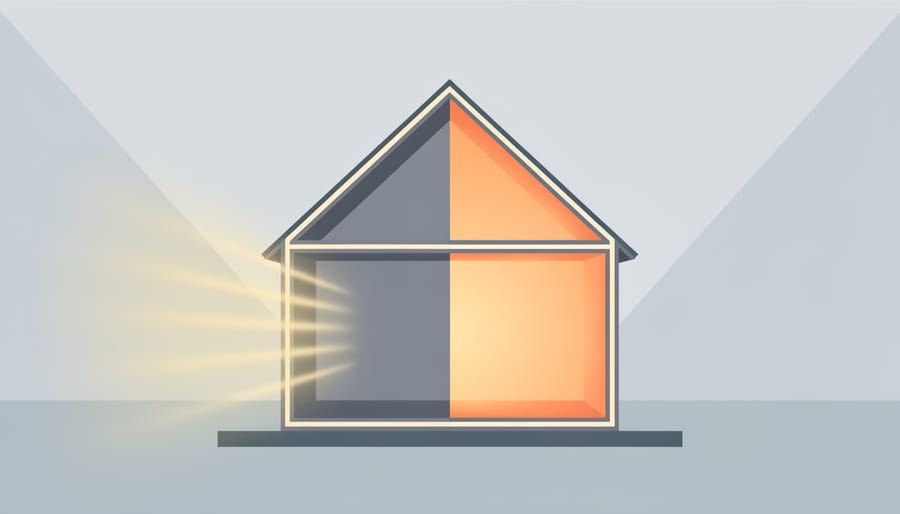
Behind every rating is a house with a story, and across Ontario those stories look quite different. The scenarios below are illustrative rather than reports of specific projects.
Consider older housing stock. A century-old home in an established neighbourhood may have solid bones but little insulation and plenty of drafts. A rating report helps its owners see which fixes matter most, so a modest budget goes where it counts.
Rural and Northern homes face another picture. Many rely on propane, oil, wood or electric baseboards rather than natural gas, so heating costs and the value of an upgrade can look very different from those of a city home. Reports that note the heating fuel give these households a clearer sense of what an efficiency improvement could mean for them.
Social and co-op housing adds a community dimension. When a housing provider assesses several buildings, ratings can help prioritize retrofits, aiming for lower energy bills for residents and more comfortable units.
Municipal and neighbourhood initiatives can build on the same idea. Aggregated, anonymized rating data can show where efficiency programs might reach the most people, and it sits alongside broader changes such as the wind energy shift reshaping how the province thinks about its energy mix.
Because every community is different, the best examples are local ones. Municipal websites and community organizations often publish case studies of retrofit projects and efficiency programs, and they are a good place to see how ratings translate into real improvements close to home.
Reading Your Report: Practical Tips for Homeowners and Educators
Start with the envelope, not the equipment. Your report usually ranks upgrades, and air sealing and insulation tend to deliver the most dependable gains because they cut how much heat your home needs in the first place. A smaller load can even mean a smaller, cheaper heating system later. If you heat with wood or pellets, it’s also worth understanding how biomass heating fits into the wider energy picture.
Then question the assumptions. Ask your advisor what thermostat settings, occupancy and fuel prices the model used. Those inputs shape the savings estimates, and if your household lives differently, your results will too.
Plan for a before-and-after comparison. Once upgrades are done, a follow-up evaluation shows what actually changed. Keep both reports, along with your contractor receipts, in one folder. They’re useful for future renovations, program applications and conversations with buyers.
For educators and students, a rating report is a ready-made case study. Classes can trace where a house loses heat, compare modelled savings against real utility bills, or rank upgrades by cost and impact. With a household’s permission, or using an anonymized sample report, it turns abstract efficiency ideas into something concrete and local.
Frequently Asked Questions About Home Energy Rating Reports
How long does a home energy rating report stay useful?
A report reflects your home on the day it was assessed, so it stays reliable until something major changes, such as a new furnace, added insulation or a renovation. Many homeowners treat it as a reference for a few years, then request a fresh evaluation after upgrades.
Does a rating affect home value or resale?
A strong rating can be a useful selling point, since buyers like knowing what a home costs to run. How much weight it carries varies by market and buyer, so think of it as helpful information rather than a guaranteed price boost.
Who is qualified to perform an evaluation?
Evaluations are carried out by certified energy advisors who work under recognized program standards. Always confirm credentials before booking, since requirements can change.
How is a rating different from a standard home inspection?
A home inspection looks at condition and safety, such as the roof, wiring and plumbing. An energy evaluation measures how the house uses energy, using tools like a blower door test, and models what upgrades could improve it.
Where should you look for current program details? Rules, eligibility and incentives change over time, so start with official provincial and utility sources rather than relying on older articles. A good next step is reviewing how Ontario energy rebates can support upgrades like insulation and air sealing, then confirming what currently applies to your home.
If your report points toward generating your own power, it also helps to understand the solar benefits and trade-offs before committing. Your energy advisor can explain how those options fit with the rest of your report.
A home energy rating report turns a house from a mystery into something you can read. It shows where heat escapes, what your current systems cost to run, and which upgrades are likely to matter most. That clarity lets you make choices in a sensible order, sealing and insulating before you replace equipment, and then check your progress with a follow-up evaluation.
The value doesn’t stop at your front door. When household ratings are gathered and analyzed, they give planners and regulators a clearer picture of how Ontario’s homes use energy. That picture can inform Energy Board Reports and Recommendations on conservation, program design and consumer information, even though those recommendations remain advisory and outcomes vary.
Ontario’s path toward cleaner, more efficient homes is built from many small decisions, one household at a time. Program rules and requirements do change, so check with official provincial sources and certified energy advisors for the latest details before you book.